Categories
North Gujarat's premier dedicated glaucoma super-specialty centre.

Combined Trabeculotomy and Trabeculectomy designed specifically for congenital and infantile glaucoma.
Primary Congenital Glaucoma (PCG) and infantile developmental glaucomas are rare, vision-threatening conditions characterized by abnormal development of the anterior chamber angle (trabeculodysgenesis). Because an infant's eye wall is flexible, elevated pressure leads to corneal clouding, photophobia, excessive tearing (epiphora), and buphthalmos ("ox eye" enlargement).
Combined Trabeculotomy-Trabeculectomy ("Trab + Trab") is the preferred, high-potency surgical approach for pediatric glaucoma. By simultaneously addressing internal resistance via trabeculotomy and establishing external subconjunctival drainage via trabeculectomy, this dual-mechanism procedure provides superior single-surgery control, protecting developing visual pathways from lifelong amblyopia.
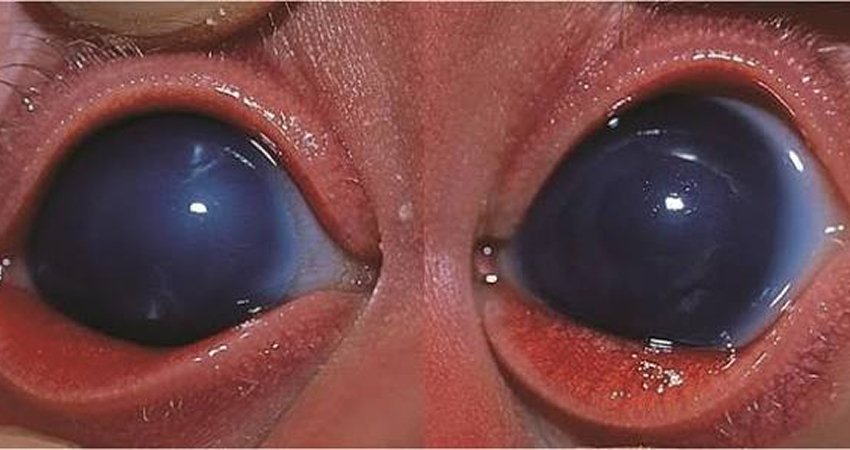
Performed under strict pediatric general anesthesia, the surgery begins with precise microscopic dissection of a partial-thickness scleral flap. Schlemm's canal is localized and cannulated with a specialized micro-trabeculotome probe or illuminated flexible microcatheter.
The probe is gently rotated into the anterior chamber, cleaving the anomalous trabecular meshwork (trabeculotomy) across 120 to 180 degrees. Concurrently, a guarded trabeculectomy punch and peripheral iridectomy are executed, followed by meticulous closure using absorbable fine sutures to ensure safety and comfort for pediatric patients.
Pediatric glaucoma management requires specialized surgical finesse combined with dedicated pediatric visual rehabilitation. Rapid pressure normalization clears corneal edema, restores ocular transparency, and prevents optic nerve cupping.
Dr. Amola Gandhi coordinates closely with pediatric optometrists to address refractive errors, prescribe occlusion therapy for amblyopia, and ensure normal visual development for every child.

Why dual trabecular intervention is the gold standard for congenital glaucoma:
Congenital glaucoma is a surgical emergency. The procedure can and should be performed within the first few weeks or months of life as soon as the diagnosis is established, under monitored pediatric anesthesia.
Post-operative antibiotic and anti-inflammatory eye drops are prescribed for several weeks to promote healing. In many cases, successful surgery completely frees children from daily glaucoma pressure drops.
Children require regular surveillance to verify normal eye growth and corneal clarity—initially every few weeks, then every 3 to 6 months throughout childhood to safeguard visual development.